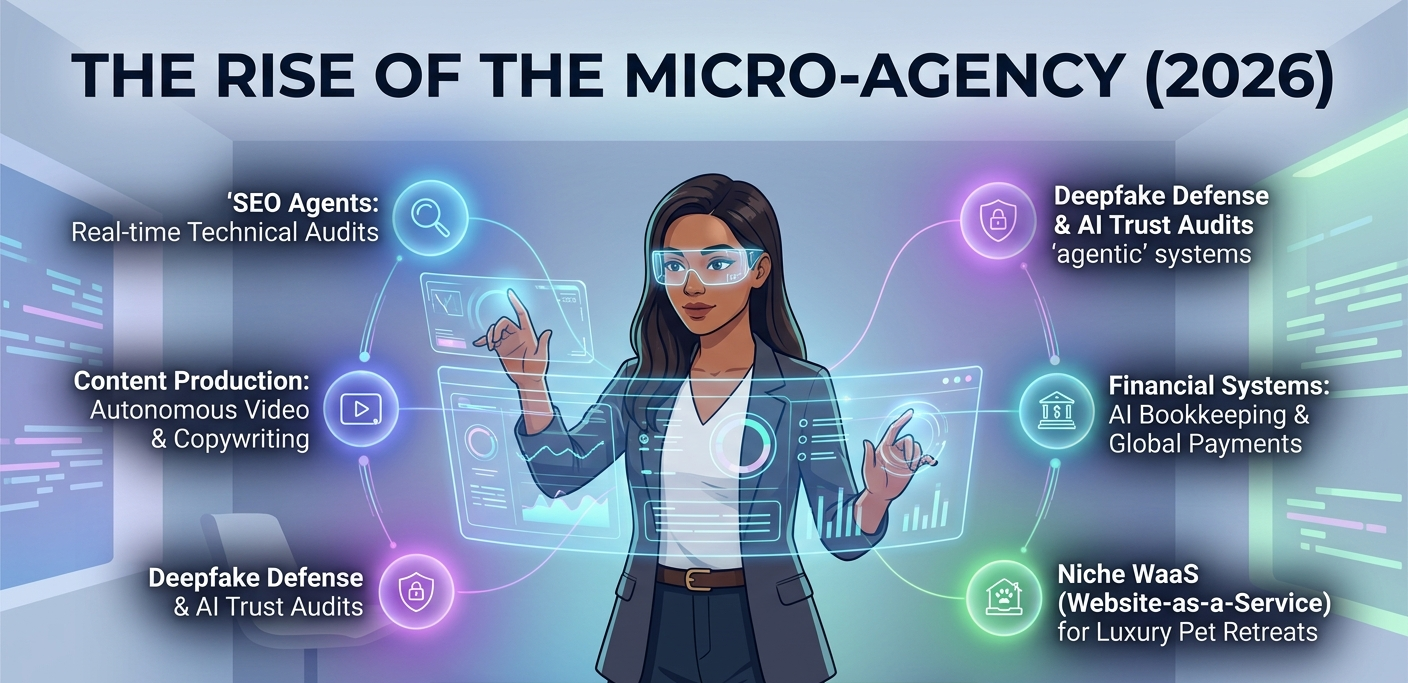

The traditional agency model—massive office spaces, layers of middle management, and bloated overhead—is officially a relic of the past. In 2026, we have entered the era of the Micro-Agency.
This shift isn't just about people wanting to work from home; it’s a fundamental restructuring of how digital services are delivered. Armed with "agentic" AI and hyper-automated workflows, a single individual can now output the same volume and quality of work that once required a team of ten.
1. The Rise of the "AI-Native" Solopreneur
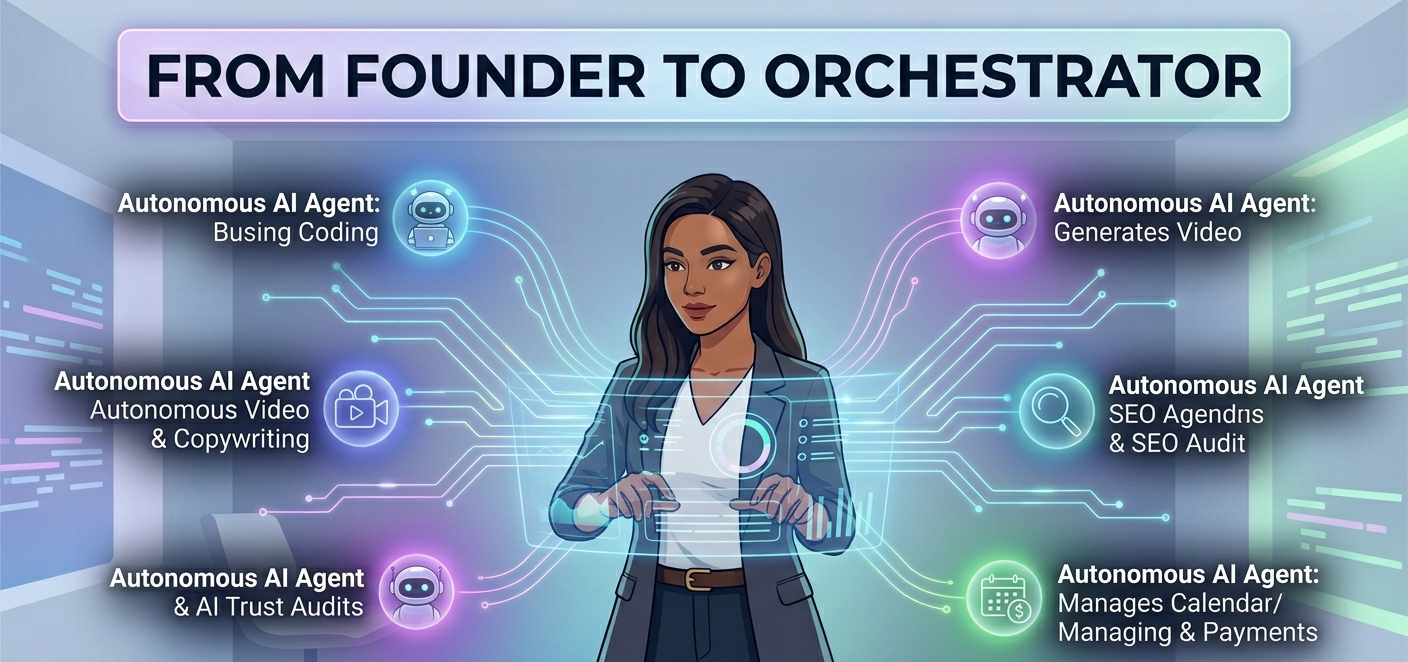
In 2026, the barrier between "idea" and "execution" has effectively vanished. The primary reason 2026 is the tipping point is the evolution of AI from a simple "assistant" to an autonomous operator.
- Replacing Departments with Systems: A micro-agency owner no longer "hires" a copywriter or an SEO specialist. They deploy AI Agents that handle niche workflows—from real-time technical SEO audits to generating high-fidelity video content.
- Operational Leverage: By utilizing a "system-first" approach, one person can manage 10–15 high-ticket clients simultaneously without burnout. The focus has shifted from managing people to managing protocols.
2. High-Growth Niches for 2026
Success in the micro-agency era depends on hyper-specialization. Broad "digital marketing" is too competitive; the money is in "Vertical SaaS" and specialized AI implementation.
| Niche | Why it’s Booming in 2026 |
| Agentic AI Implementation | Helping legacy businesses integrate autonomous agents into their customer service and sales funnels. |
| Hyper-Niche WaaS | "Website-as-a-Service" for specific industries (e.g., automated booking platforms for luxury pet retreats). |
| Deepfake Defense & AI Trust | Providing security audits to ensure a brand’s digital identity isn't being spoofed by AI-generated fraud. |
| The Silver Tech Economy | Creating digital interfaces and services specifically designed for the aging "baby boomer" demographic. |
3. The 2026 Tech Stack: Running Lean
To stay profitable, a micro-agency must maintain a 95% profit margin. This is achieved through a "Zero-Waste" tech stack.
- Orchestration: Tools like Zapier or Make act as the central nervous system, connecting every app.
- Creative Suite: High-fidelity generators (like Gemini 3 Flash and Veo) allow for cinematic-quality marketing materials in minutes.
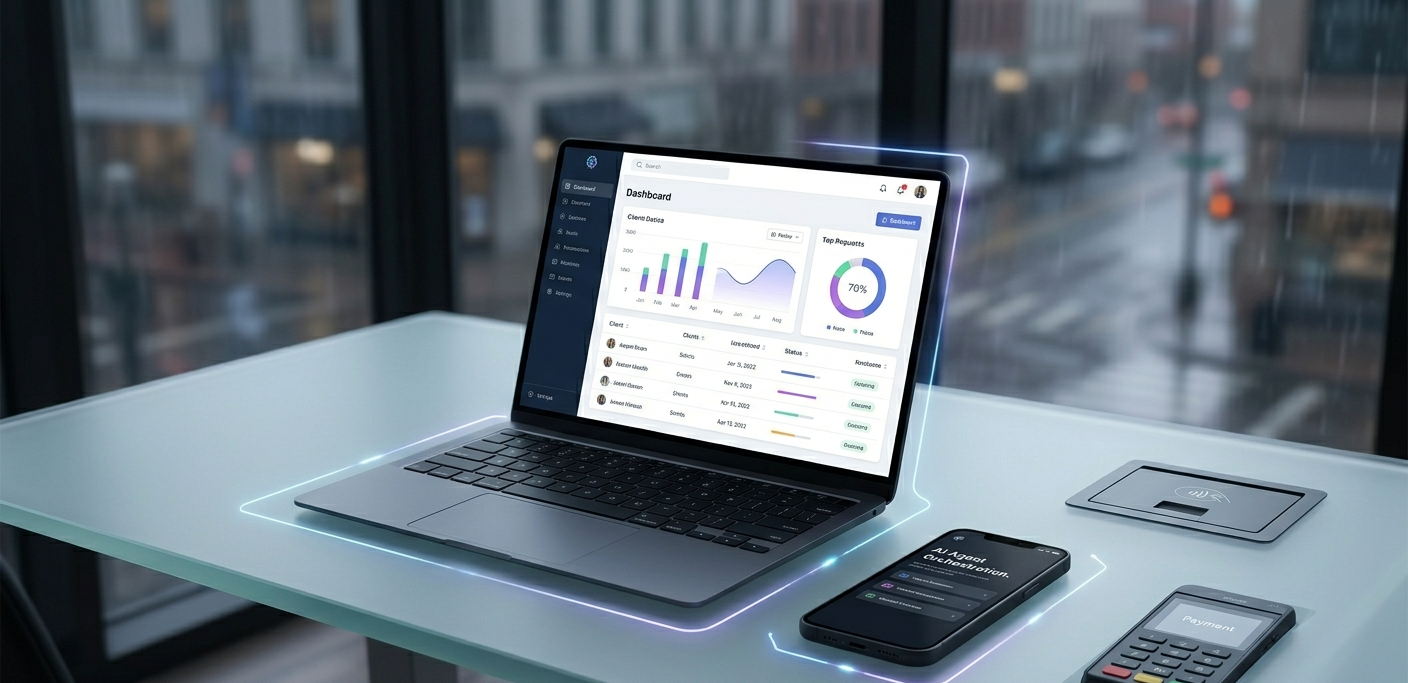
- Client Management: Minimalist CRMs that prioritize automated onboarding and "self-serve" client portals.
- Financial Infrastructure: Real-time, AI-driven bookkeeping that handles international tax compliance and instant UPI/Global payments.
The Golden Rule of 2026: If a task has to be done more than twice, it must be automated. If it cannot be automated, it must be productized.
4. Why Clients Prefer "Micro" Over "Macro"
In a world saturated with AI-generated noise, clients are increasingly seeking authenticity and agility.
- The Human Differentiator: While AI does the heavy lifting, the "Human-in-the-Loop" provides the creative direction, empathy, and strategic judgment that an algorithm cannot replicate.
- Speed to Market: A one-person agency can pivot in hours, whereas a traditional firm takes weeks of meetings to change a headline.
- Direct Access: Clients value speaking directly to the "expert" (the founder) rather than being handed off to a junior account manager.
Conclusion: The Path Forward
The "Micro-Agency" era is a celebration of the sovereign individual. By 2026, the goal is no longer to "scale up" by adding headcount, but to "scale deep" by increasing the sophistication of your systems. Whether you are building a digital marketing powerhouse or a psychology-driven habit platform, the tools have never been more powerful—and the overhead has never been lower.
The question for 2026 isn't "How many people do I need?" but "What systems will I build?"
How do you envision your current workflow evolving into an automated micro-agency model by next year?