

For decades, “hustle culture” — the idea that success requires sleepless nights, endless side hustles, and constant productivity — dominated headlines and career advice. But a new movement is sweeping through young people’s lives: The soft life. For Generation Z, the pursuit of peace, balance, and intentional living is replacing the grind-at-all-costs mindset.
This shift isn’t just a trend on TikTok — it’s a cultural response to burnout, economic uncertainty, and a changing definition of success.
What Is the “Soft Life”?
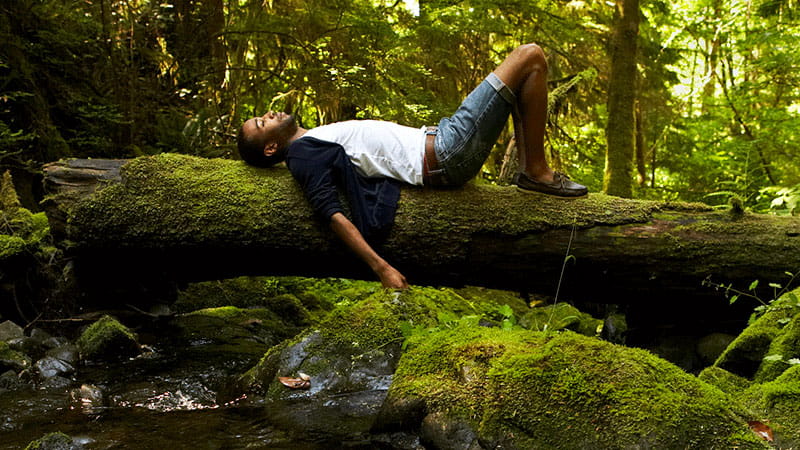
At its core, the soft life is about choosing peace over pressure and well-being over constant achievement. Unlike hustle culture, which equated busyness with worth, the soft life values:
- Slow mornings and intentional routines
- Mental health and emotional balance
- Work that fits life—not life that fits work
- Small, meaningful pleasures over nonstop productivity
It can look like lingering over coffee, setting healthy boundaries with work, practicing self-care without guilt, or simply prioritizing rest as seriously as productivity.
This doesn’t mean giving up on goals — it means redefining them in ways that support long-term wellness rather than short-term hustle.
Why Gen-Z Is Saying ‘No’ to the Grind
1. Burnout Was the Breaking Point
Gen-Z grew up witnessing not just hard work but hard work that didn’t pay off. Parents and older siblings hustled long hours — only to face layoffs, underemployment, or burnout. Many young people say they’ve seen too many sacrifices for too little fulfillment.
This has shifted priorities: mental health now comes before getting ahead at all costs. Younger workers are more willing to walk away from excessive demands, even if that means losing a job or declining extra hours.
2. A Changing Economic Reality
The financial landscape today is starkly different from what previous generations knew. Higher costs of living — without proportional salary growth — have made the old “work harder, earn more” mantra feel like a hollow promise.
Many Gen-Z question whether it’s worth sacrificing peace for financial gain that still doesn’t guarantee stability. This has created a generation that values sustainable work–life balance over unpaid overtime.
3. Social Media and the Soft Life Aesthetic
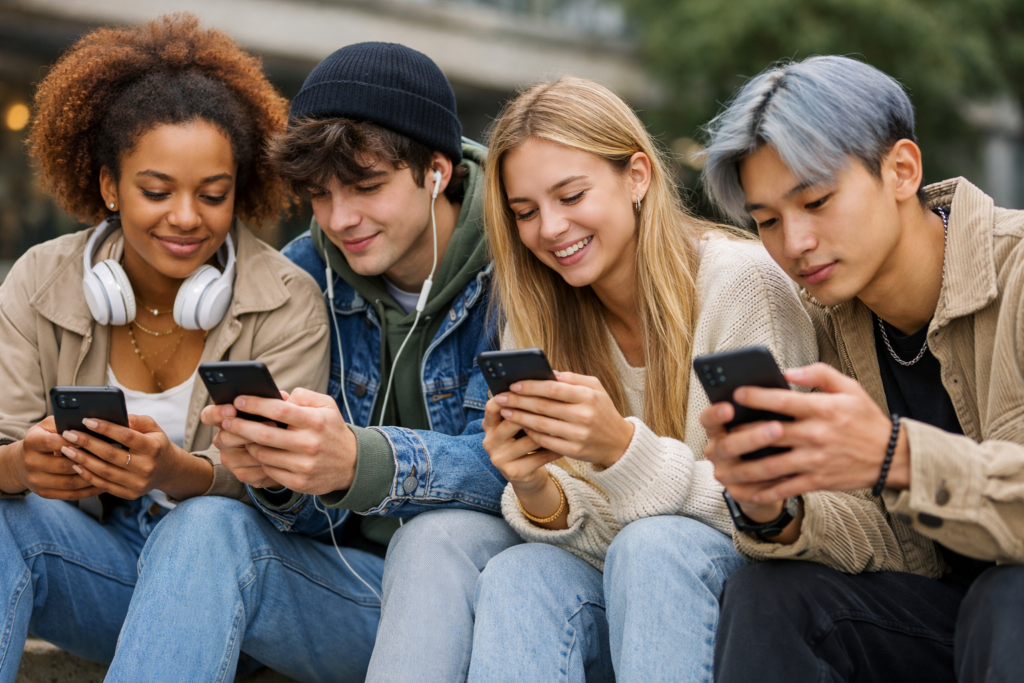
While the soft life isn’t inherently about visuals, social media has played a big role in spreading the idea. Platforms like TikTok and Instagram reward calm, aesthetic content that feels achievable, like slow morning routines or cozy home setups.
Creators use hashtags like #SoftLife and #BareMinimumMondays to share how they’re intentionally avoiding hustle culture and reclaiming time for self-care. These content trends amplify the message that busyness is not the only path to fulfillment.
Soft Life vs Hustle Culture: A Comparison
| Hustle Culture | Soft Life |
|---|---|
| Busyness as success | Balance as success |
| Sacrifice rest for goals | Build goals around rest |
| Measure worth by hours worked | Measure worth by well-being |
| Constant stress | Intentional ease |
Gen-Z’s soft life is not laziness — it’s a recalibration of what it means to live well.
Critics and Misconceptions
Not everyone sees the soft life as positive. Some critics argue the trend can:
- Romanticize comfort over responsibility
- Encourage avoidance of hard decisions
- Be co-opted into consumerism rather than genuine rest
And it’s true: there’s a difference between intentional peace and escapism. But many proponents of the soft life stress that it’s not about giving up — it’s about creating a life that’s worth living without wearing yourself down.
What This Means for the Future of Work
This shift from relentless grinding to intentional living is changing workplaces too:
- Negotiating flexible hours or remote work
- Valuing jobs that allow life integration
- More emphasis on mental health support in companies
Some even see this movement as part of a broader redefinition of success — one where purpose and well-being matter just as much as paychecks.
Soft Life Isn’t Just a Trend — It’s a Reframe
The rise of the soft life isn’t about laziness — it’s about choice: choosing what to protect, what to prioritize, and what truly feels meaningful. For many in Gen-Z, that choice is to live a life they don’t need a vacation from.